Jul, 2026
Climate change is one of the most defining challenges of our time, with profound consequences for human health, livelihoods and well-being. Yet its impacts are not experienced uniformly across genders. While biological differences influence vulnerability to climate-related hazards (for instance, varying sensitivities to extreme heat), the unequal effects across genders are driven largely by existing social, economic, and institutional inequalities. As a result, climate change tends to exacerbate existing gender disparities, affecting access to resources, livelihoods, health outcomes, and adaptive capacities in distinct ways. Women face greater burdens and unequal access to shelter and relief resources. Post-disaster recovery processes frequently overlook women’s contributions while increasing their workloads and reducing their social and economic security.
Climate change is not only an environmental crisis but also a socio-economic crisis, which affects millions of women globally by denying them the opportunity to reach their full capabilities. Additionally, the gendered impact of climate change is two-dimensional, wherein women are disproportionately exposed and vulnerable to climate risks, and they have a much lower capacity to respond to and benefit from remedial measures of climate-related shocks. Women often face disproportionate impacts on livelihoods due to their concentration in climate-sensitive sectors such as agriculture and informal work, while also bearing increased burdens of unpaid care work as water, food, and fuel resources become scarcer. Women in India’s informal workforce, particularly in farm, manufacturing, domestic, construction, sanitation, and street workers, face severe risks from rising temperatures due to limited access to shade, cooling, and healthcare.

Climate change can also worsen health outcomes, including maternal and reproductive health risks and food insecurity. Pregnant women are particularly vulnerable to rising temperatures and heat waves because pregnancy reduces the body’s ability to regulate heat. At the same time, limited access to finance, technology, and climate information constrain their ability to adapt and recover.
Beyond these direct impacts, women remain underrepresented in climate governance, policy-making, climate finance, and emerging green industries, resulting in adaptation strategies that often fail to reflect their needs, experiences, and knowledge. Consequently, climate change not only exacerbates existing gender inequalities but also risks excluding women from shaping and benefiting from the solutions designed to address it.
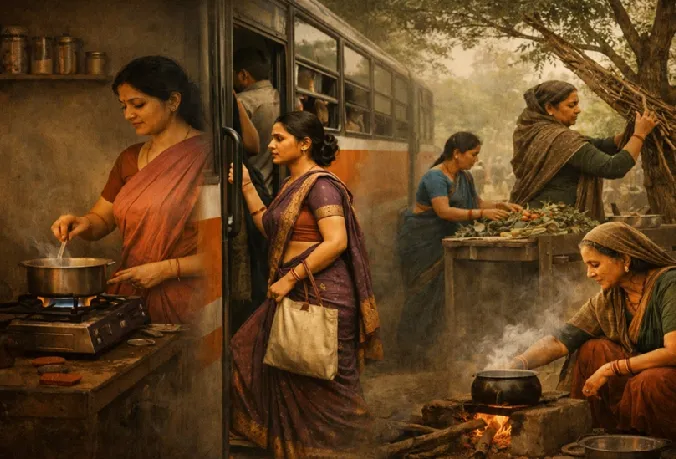
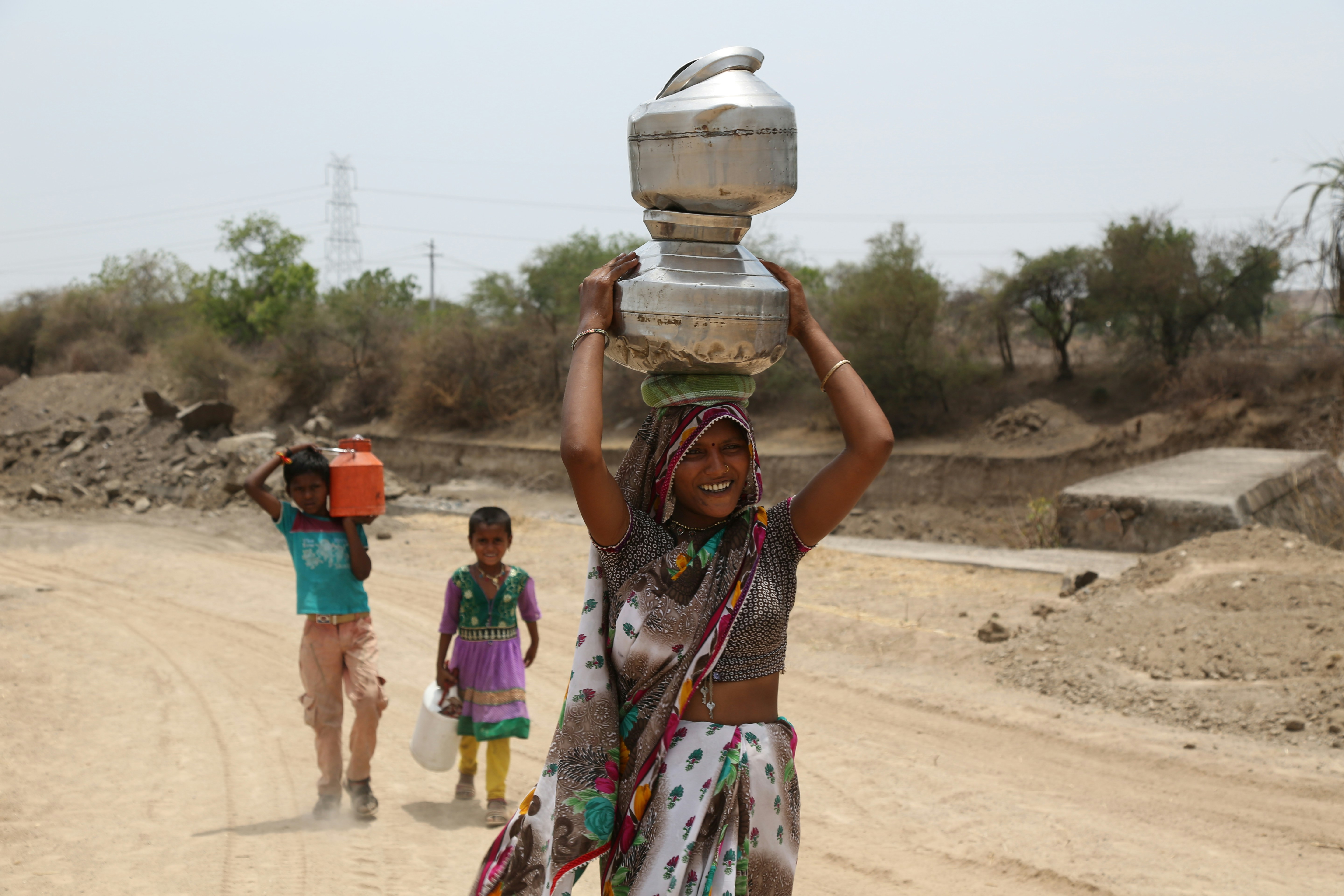
 In many developing countries, cultural norms place the responsibility of collecting water and other household resources on women, often requiring long hours of physically demanding work and travel over long distances. According to Time Use Survey 2024, in India, women in the age group 15 to 59 years spend 305 minutes on unpaid domestic work. Whereas men spend only 86 minutes.
Climate change and environmental degradation further reduce the availability of essential resources such as water, firewood, and fuel, increasing the time and effort needed for collecting these goods. Time is money, and this added burden contributes to time poverty, leaving women with less time and energy for education, paid work, rest, and other household responsibilities.
The COVID-19 pandemic highlighted how global crises can affect genders differently, as women faced greater economic hardships through reduced employment opportunities and an increased burden of unpaid care responsibilities.
Studies on rural employment in India indicate that flood damage has a more severe long-term impact on women’s agricultural employment compared to men’s. In the aftermath of floods, women also face greater difficulties in securing jobs in the non-agricultural sector. A 1% increase in flood-related damage reduces male agricultural employment by 0.55% in the long run, while female agricultural employment declines by 3.06%, even after accounting for other important factors. In rural non-agricultural sectors, male employment increases by 1.52% following greater flood damage, whereas the impact on female employment remains negative despite controlling for female literacy levels. Similarly, during tsunamis, single women and women-headed households were among the most vulnerable groups, yet many were excluded from beneficiary lists due to patriarchal norms that failed to recognize women as heads of households.
To reduce the climate change burden, it is essential to identify solutions that are both effective and capable of delivering benefits on a large scale. Schemes like Pradhan Mantri Ujjwala Yojana, benefit women from poor households to receive deposit-free LPG connections and alleviate time poverty, thereby saving time and improving health conditions by having smoke-free kitchens. As of March 1, 2025, over 10.33 crore households across India are connected under the PMUY scheme. The scheme has also seen strong continued LPG usage, with 8.34 crore of the 8.99 crore beneficiaries enrolled by April 2022 refilling their cylinders at least once between April 2022 and March 2024. The scheme acts as an essential social protection and public health umbrella by helping females in rural areas to adapt to environmental and climate-related challenges.
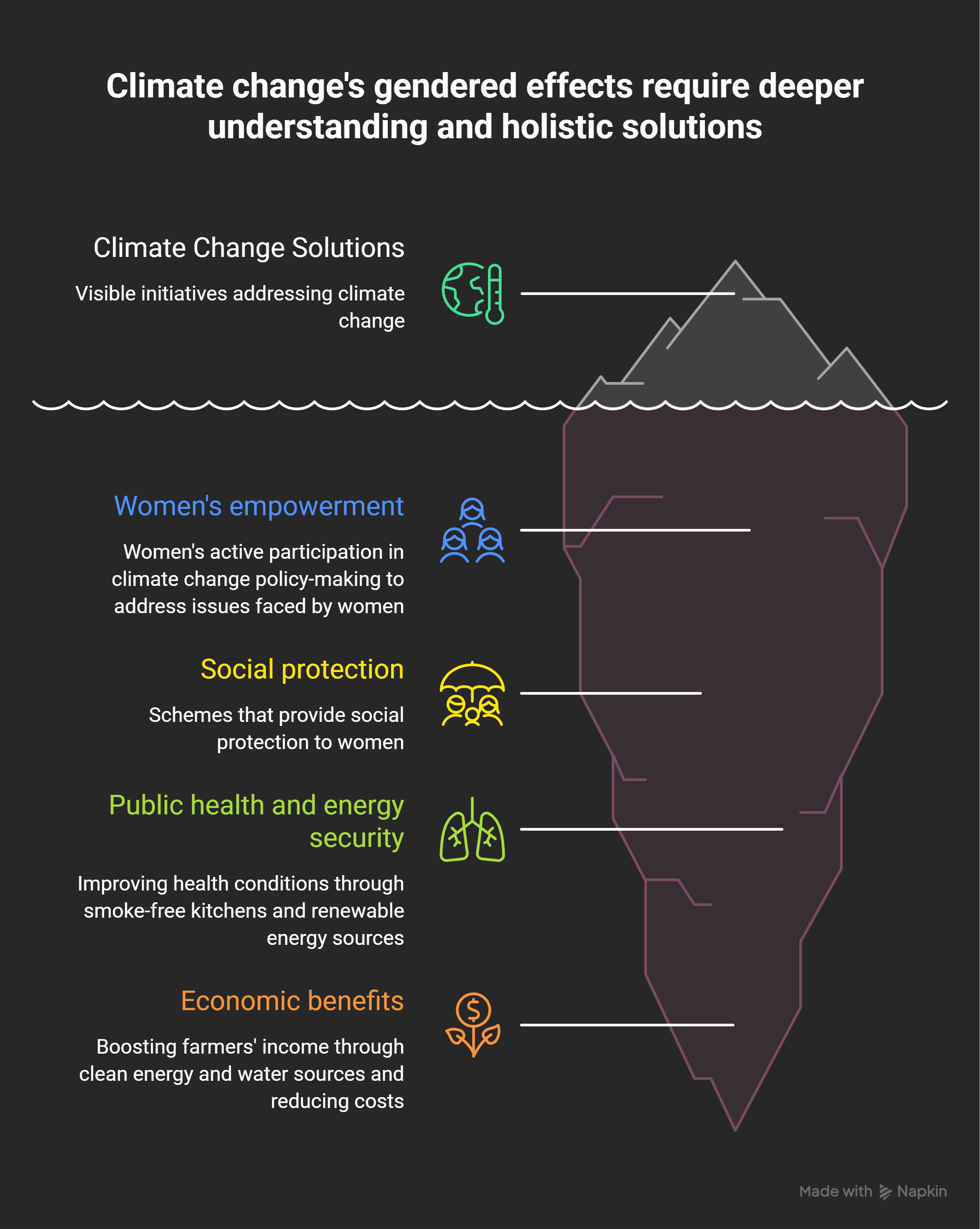
To curb climate change and its impact, the Surya Ghar Yojana aims to provide free electricity to one crore households by giving a subsidy for the installation of rooftop solar panels. This helps in reducing the household electricity bill and is a climate adaptation strategy because it builds resilience in the household sector. PM-Kusum not only helps boost farmers’ income but also helps in reducing carbon emissions by 32 million tonnes of CO2 per annum. including female workers by providing clean, decentralised energy to the agricultural sector, reducing dependence on diesel water pumps and reducing exposure to continued fluctuations in costs for diesel fuel and contributing towards cleaner and greener air.
These initiatives and many more are life-changing shifts; they not only help reduce the burden on females but also provide energy access at their doorstep along with income security and better health outcomes. But these policies are not enough. Real change requires that women are not just beneficiaries of these schemes, but active participants in shaping them. Understanding their challenges and hardships in surviving in a climate-vulnerable world will help in making informed decisions right from the village councils to the national policy level.
Climate change does not create gender inequality, but it deepens it. And just as the burdens have been unequally borne, the solutions too must be intentional, targeted, and just. A more climate-resilient world and a more equal world are not separate goals; they are one and the same.